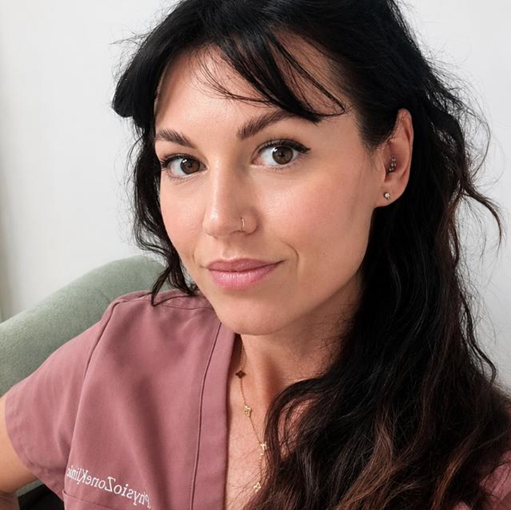
An injury can interrupt the activities that make you feel like yourself. I’ll listen to what has happened, assess how you’re moving and work with you on practical next steps towards the activities you enjoy.
You do not have to be a competitive athlete to seek help. Whether symptoms began during sport, a gym session or everyday activity, the starting point is understanding the problem and what it is stopping you doing.
Physiotherapy may be helpful when a sprain or strain is taking longer to settle, or when you need support with movement and rehabilitation. A fresh injury may need urgent medical assessment first, particularly if it is severe or you cannot put weight on it. Read the NHS guidance on sprains and strains and the warning signs below.
At my Worcester clinic, I combine assessment, appropriate hands-on treatment and practical rehabilitation guidance. The plan depends on what we find, your health history and your goals—not a fixed package of treatments.
Your first sports injury assessment
Your story and symptoms
We discuss the current injury, previous injuries and medical history, how symptoms behave and how they affect daily life or sport. I also ask what you would like to get back to.
Movement and physical checks
Depending on the problem, I assess movement, posture, how your body moves and works together, strength and joint stability. These checks help me understand the likely cause and decide on appropriate next steps.
A plan you understand
I explain my findings and discuss treatment and rehabilitation with you. If the assessment suggests you need medical advice or further investigation rather than physiotherapy, I will explain that too.
Hands-on treatment and rehabilitation
Where appropriate, treatment may include joint mobilisation, muscle and soft-tissue techniques, and personalised exercises. The emphasis is on choosing what fits your assessment rather than using every technique at each appointment.
We can discuss how to adapt activity while you recover and how to build towards your goals. Follow-up appointments allow us to review your symptoms, reassess relevant movements and adjust the plan. Recovery varies: I will not promise a fixed number of sessions or a guaranteed return-to-sport date.
Acupuncture may be considered alongside physiotherapy if it is suitable for you. It is optional and requires separate screening and consent. If it is included, I recommend avoiding sport or the gym for the rest of that day.
What to wear and bring
Wear comfortable clothing that lets you move and allows the area to be assessed.
Bring shorts for a lower-limb assessment: I may need to see how your legs and joints move, not just the place that hurts.
Have details of your medicines, current health conditions and previous injuries available.
Think about which movements or activities bring on symptoms and what you would most like to return to.
If you are unsure what an assessment will involve or have concerns about clothing or comfort, contact me before your visit. We can talk it through.
This page describes what you can expect from my clinic. It cannot diagnose your injury or tell you when it is safe to return to sport. Your assessment and progress guide those decisions.
I’m an HCPC-registered physiotherapist, a CSP member and an AACP member. My approach brings together hands-on care, assessment and practical rehabilitation guidance.